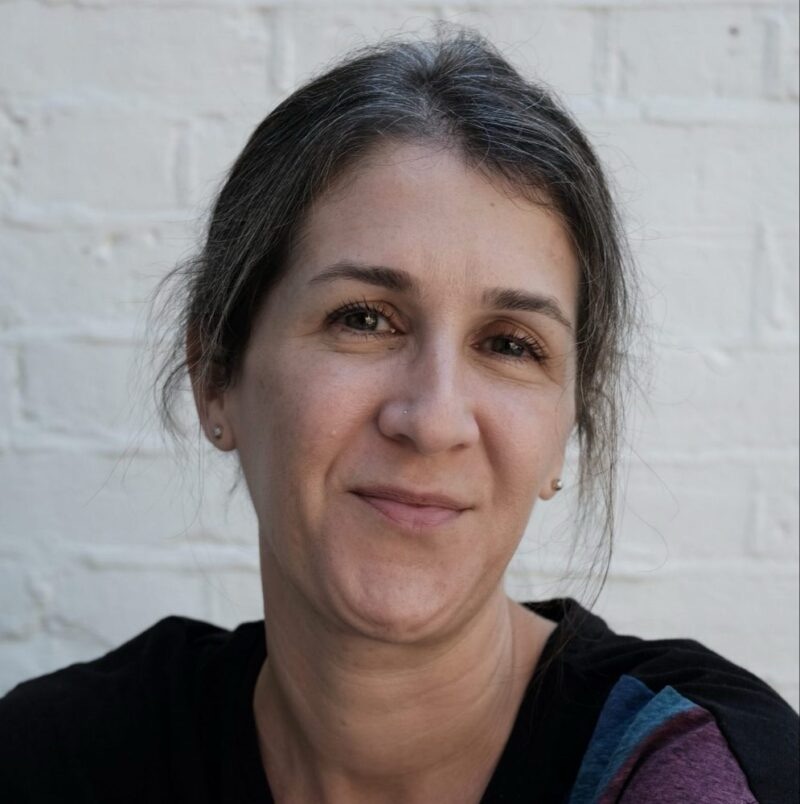
Hi everyone, today on the blog I’m delighted to welcome Julia Silk. Julia works as a literary agent at Greyhound Literary Agency and represents a range of fiction and non-fiction from commercial to literary.
Read on for a day in the life of an agent, what the agent meeting is like with a new client and the all important what she looks for in submissions.
Over to you, Julia…
1) What was the process for starting up Greyhound Literary? Can you explain how it came about?
Greyhound is the latest iteration of the agency that was originally Kingsford Campbell, which was set up in 2016. In2022 Sam Edenborough joined Charlie Campbell from translation rights agency ILA, to form Greyhound.
We are 10 agents, from backgrounds including editorial, rights, PR, bookselling and agenting. Between us we bring more than 200 years of experience in the industry, and cover almost every area of commercial and literary fiction and narrative and practical non-fiction.
2) What does a typical day in the life as a literary agent for you look like?
There isn’t really a typical day, which is what keeps things interesting! An agent is an editor, a negotiator, a salesperson and a mentor and a business manager in varying degrees, and our day to day work reflects that.
I recently reopened to submissions so at the moment I’m doing even more reading than usual; in addition to the usual out of hours reading, I’m trying to ringfence at least an hour at the beginning and end of every day to keep on top of things.
Otherwise, I could be doing anything from pitching to editors to negotiating deals, checking contracts, talking through covers and schedules with my clients and their editors, finessing non-fiction proposals, doing edits on a draft novel, discussing strategy with clients, and meeting with editors to talk about their lists and new projects I have coming up.
3) Can you describe what makes you want to request a full manuscript from an author who has submitted?
It’s always a combination of the pitch and the writing: a concept I think I can sell, and a voice I really fall for – it always has to be both. Even if I know that it’s a commercial concept, I also know that in an ideal world I’ll be working with a client for years and multiple projects to come, and I’m going to be spending a lot of time with their work, so I have to want to come back to it over and over again.
It’s the pitch that will make me want to read the sample material in the first place, though, and then I’ll usually know within a couple of paragraphs into the material whether I want to read on. Then it will be a case of whether the first few chapters are compelling enough for me to think the writer might be able to sustain a reader’s interest across a full length work.
One of the biggest issues I see in submissions is wasting the opportunity of the cover letter to sell the project by not realising that what agents and editors are primarily looking for is a compelling pitch that reads like cover copy, and a really clear sense of what the book is and why anyone should care. I always want to know ‘What’s the point?’.
4) What stands out for you in particular in a submission? What it is that grabs you and intrigues you?
In both fiction and non-fiction, aside from subject matter, most importantly it’s a great concept, a vivid, compelling voice, and an assurance in execution of both the pitch and the material that makes me feel I’m in a safe pair of hands.
In non-fiction I want to feel that this is someone who has the authority to write convincingly on the subject. This could be due to their qualifications, lived experience, or anything else that makes them an expert in what they are writing. In fiction I really want the characters to feel three-dimensional and have fully fleshed out emotional lives and convincing motivations.And I want a fully realised plots – one of the main issues I see is a great idea that isn’t sustained into a full narrative arc.
I’m also usually looking for cultural relevance – anything that I think will resonate with contemporary readers, no matter the setting or time period; something that feels like it speaks to a universal truth of human nature and/or the way we live today. There are so many factors that influence agents’ and editors’decisions, but most of all the work has to feel like something that readers will have a compelling reason to want to know more about right now.
I also ask myself whether it’s a book I’d want to press into people’s hands. I was a bookseller for several years and I always think ‘Would this be a book I would feel compelled to handsell?’
5) What does the agent meeting look like, from your perspective?
For me it’s always a two-way street – an opportunity for both of us to see if we are well suited, which means – in varying degrees depending on the project and the individual – whether we have a shared vision for the book, have complementary styles of working and at the end of the day there is always that indefinable ‘chemistry’. I also always make sure that I ask what kind of expectations the writer has for the relationship and ambitions for their career.
If I feel that these are not deliverable for them, then I will indicate what I think is possible. As an agent there’s a fine line between being ambitious and realistic. I don’t take on projects that I don’t think have a good chance of selling, but on the other hand, the landscape is increasingly difficult and if we don’t take risks then what, really, is the point?
6) Once you sign an author, what happens next? What does the author/agent editing process look like for the manuscript before it is submitted to publishers? Is it in depth?
It depends on the project, of course, but editors are more under pressure than ever and looking for increasingly polished work to take forward, so it’s always important to make sure the project is as ready as it can be without over-editing and potentially second-guessing an editor’s vision.
So for non-fiction, I will help to pull the proposal into a shape that I think will answer all the questions editors and their teams might have about its marketability – making it really clear what gap it’s filling in the market and highlighting the author’s expertise, authority and reach.
And for fiction it’s really aboutgetting the MS to the point where it’s the most compelling it can be, focusing on stakes and narrative propulsion. This could take anything from a few lines edits to multiple redrafts. Then I’ll write an editor letter, with a pitch – sometimes I’ve used the author’s original pitch almost word for word, other times it’s been almost completely rewritten – and we’ll also discuss the list of editors, as well as the strategy if it doesn’t sell within the first few months after submission, which depends partly on the feedback we receive. And I always advise my clients, especially in fiction, to be writing something else while they are out on submission, because the whole process can feel interminable when you are waiting for responses.
7) Can you describe the feeling of pitching to publishers? Do you ever get nervous?
When I’m about to press send on the first email of a submission round, I always feel irrationally nervous. I think as agents we have a huge sense of ownership and obligation for our clients’ work and there’s a lot at stake when you first make that piece of work public.
I don’t tend to feel nervous when pitching directly to publishers though – usually that will be in the context of a conversation I’m having with an editor on the phone or over coffee, and I tend to think of it as being like telling a friend about a book I love, but with an additional element of persuasion in the form of making a business case.
8) Away from work, what is a typical weekend for you? And what do you enjoy doing outside of your job?
I’m not really a hobbies kind of person – most of my spare time is spent with my family and friends and catching up with household admin and reading, both for work and pleasure. Groundbreaking, I know!
Thank you for your time today, Julia. It has been a pleasure to interview you.

