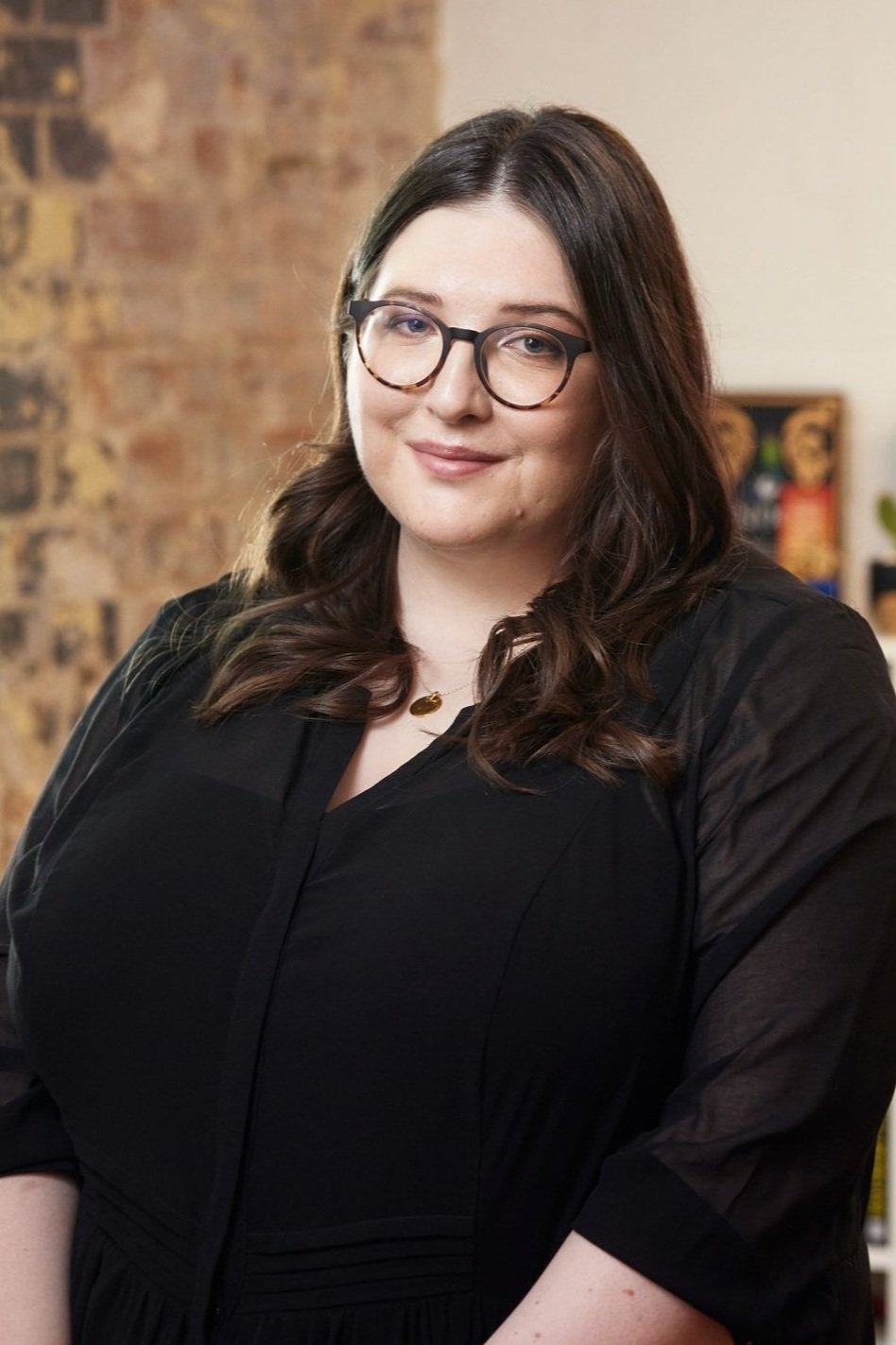
Hi everyone, and today on the blog I’m delighted to welcome Rachel Neely. Rachel is a literary agent at Mushens Entertainment and she kindly agreed to come on the blog for a chat about what she looks for in submissions, and her advice to unpublished authors.
Over to you, Rachel…
1) How did you first become involved in the publishing industry? Was it something that you always wanted to do? Did you have any other career plans?
I very much stumbled into publishing, actually. Initially I wanted to be an academic, but my Masters quickly dissuaded me from that. However, shortly after finishing my postgrad, I saw an advert for an editorial assistant to work on the crime and thriller list at HarperCollins. I was amazed that I could spend my days working on crime and thriller, which is my favourite genre when it comes to reading for pleasure.
I had no experience so unsurprisingly I wasn’t hired, but I was referred to the brilliant Avon team at HarperCollins who were looking for an intern at the time, and that was my lucky break! I went from there to being an editorial assistant at Quercus, working my way up to becoming a Commissioning Editor at Orion, before deciding that I would be much better suited to agenting!
2) Do you have any advice for the unpublished author, wanting to submit to you?
First off, always read the submission guidelines for every agency carefully. Usually agents are looking for a covering letter, a synopsis and either 10,000 words or three chapters, but there are often small differences between agencies, so make sure you send exactly what agents have asked for.
My second piece of advice would be, do a bit of research. There are absolutely loads of resources out there offering advice on submissions from covering letters to what a synopsis should look like.
And my third piece of advice is send far and wide – agents get around 12,000 submissions a year so competition is tough and you might not land your first choice of agent, but there are a ton of fantastic agents out there looking for brilliant new authors. I think it’s very easy to feel discouraged when you’re submitting to agents, but this is such a subjective business and it’s just about finding the agent who really connects with your writing!
3) What do you look for in a covering email? What would stand out in particular?
There is a blog post on the Mushens Entertainment website that I can’t recommend highly enough (https://www.mushens-entertainment.com/blog/the-perfect-cover-letter), which has loads of really helpful advice about how to write a really compelling cover letter.
For me, what tends to catch my eye are letters that have one or two very relevant and up-to-date comparison titles. If you’re comparing your book to something that was in the bestseller lists this year that I loved, and I can immediately see the similarities between that book and what you’ve written, then I am immediately drawn in. Relevancy is key though.
4) What is it about the submission that makes you want to read on? Is it character, pace, plot or the themes? When do you know that you have connected with a manuscript?
With every book it’s different – it could be an incredibly inventive concept, a fun setting, themes that resonate with me – but most often it’s the voice that captures my attention. Everything I have signed this year has a very clear and distinct voice. That’s what I’m looking for in the first few pages, and then, once I find a voice I love, I’m looking to make sure it is matched by a riveting plot that will keep me turning the pages.
5) What are you on the look out for in the crime/thriller market? Are you a fan of gritty, action openings?
I love a reading group thriller that uses a crime narrative to explore a deeper theme. I also love locked-room mysteries set in unusual and locations. And I would really like to find something in the vein of My Sister the Serial Killer or How to Kill Your Family with a really compelling antihero at its heart!
An action-packed prologue can be a useful way to hint at something dramatic happening later in the book, which allows you to take the first few chapters a little slower if you have a complicated set-up or a long series of events to unravel before the crime is revealed/occurs.
6) What are your thoughts about gender and crime in fiction? As in, would you be interested in reading a novel with a female villain who is awful but there is a reason for her offences?
My Sister the Serial Killer or How to Kill Your Family, which I mentioned above, have great female antiheroes at their heart – Villanelle from Killing Eve is another good example.
7) Once you have signed an author, what happens next? How does the agent/author editing process work, before the book goes to publishers?
As agents we focus on structural edits mainly, which develop plot and character or address pace and structure. When I offer an author representation I always flag the edits I would like to suggest before they sign up. It’s important the agent’s vision for the book aligns with the author’s. After signing, I send an editorial letter outlining the structural edits and I also ask the author if they have any other concerns with the book that I haven’t touched upon in my letter as editing is also very much about problem-solving.
8) What do you look for in a character that leaps off the page? When do they start to become real to you?
It’s all about voice for me! The reason that characters fall flat most often, for me, is because they all sound the same within a given book – the best characters each have their own distinctive voice.
Thank you for your time, Rachel. It has been a pleasure to interview you.
Bio: Rachel Neely began her publishing career in 2016 at Avon books, a division of HarperCollins, shortly after completing a Master of Studies in English and American Literature at the University of Oxford. Rachel then moved to Hachette’s Quercus books, where she stayed for over three years, as an Editorial Assistant and, latterly, Assistant Editor.
Rachel worked on both reading group titles and the crime and thriller list, assisting on multiple Sunday Times bestsellers such as The Flatshare and The Girl Before. Her first acquisition, Still Lives, a literary thriller, was chosen for the Reese Witherspoon Hello Sunshine book club. In May 2020, Rachel was appointed Commissioning Editor at Trapeze, an imprint of Orion, with a remit of acquiring conversation-starting novels, focusing on upmarket fiction and literary-commercial crossover. Her authors included: Chloë Ashby, an art and culture journalist; Sascha Rothchild, executive producer of The Bold Type; and Annie Lord, Vogue’s dating columnist. In her final months at Orion, Rachel also looked after Trapeze’s biggest commercial crime brands, including Sunday Times bestseller Simon Beckett and Sharon Bolton. You can follow her on twitter at @Rachel_Neely_.
Looking For: reading group fiction, accessible literary fiction, upmarket millennial women’s fiction, historical fiction, crime and thrillers.
Her favourite novels include: Sorrow and Bliss, Normal People, Such a Fun Age, The Time Traveller’s Wife, The Girls, My Dark Vanessa, Song of Achilles, The Push, The Sanatorium, How to Kill Your Family and My Sister the Serial Killer.
Rachel says . . . ‘I’m looking for unforgettable and thought-provoking fiction, the kind that leaves your mind racing uncontrollably, hours after turning the last page. Whether commercial or literary, or something in between, I want authors who can match a distinctive voice with an equally compelling plot. I generally prefer darker stories; my favourite books often centre characters with tragic fates, dark pasts or buried trauma. I would also particularly like to find authors from underrepresented groups, who often bring a fresh perspective to well-worn story arcs or reflect experiences that are shared by many but, as of yet, underexplored in fiction.’
 jsclerkauthor.co.uk